Artifact Portfolios: Reports of Progress

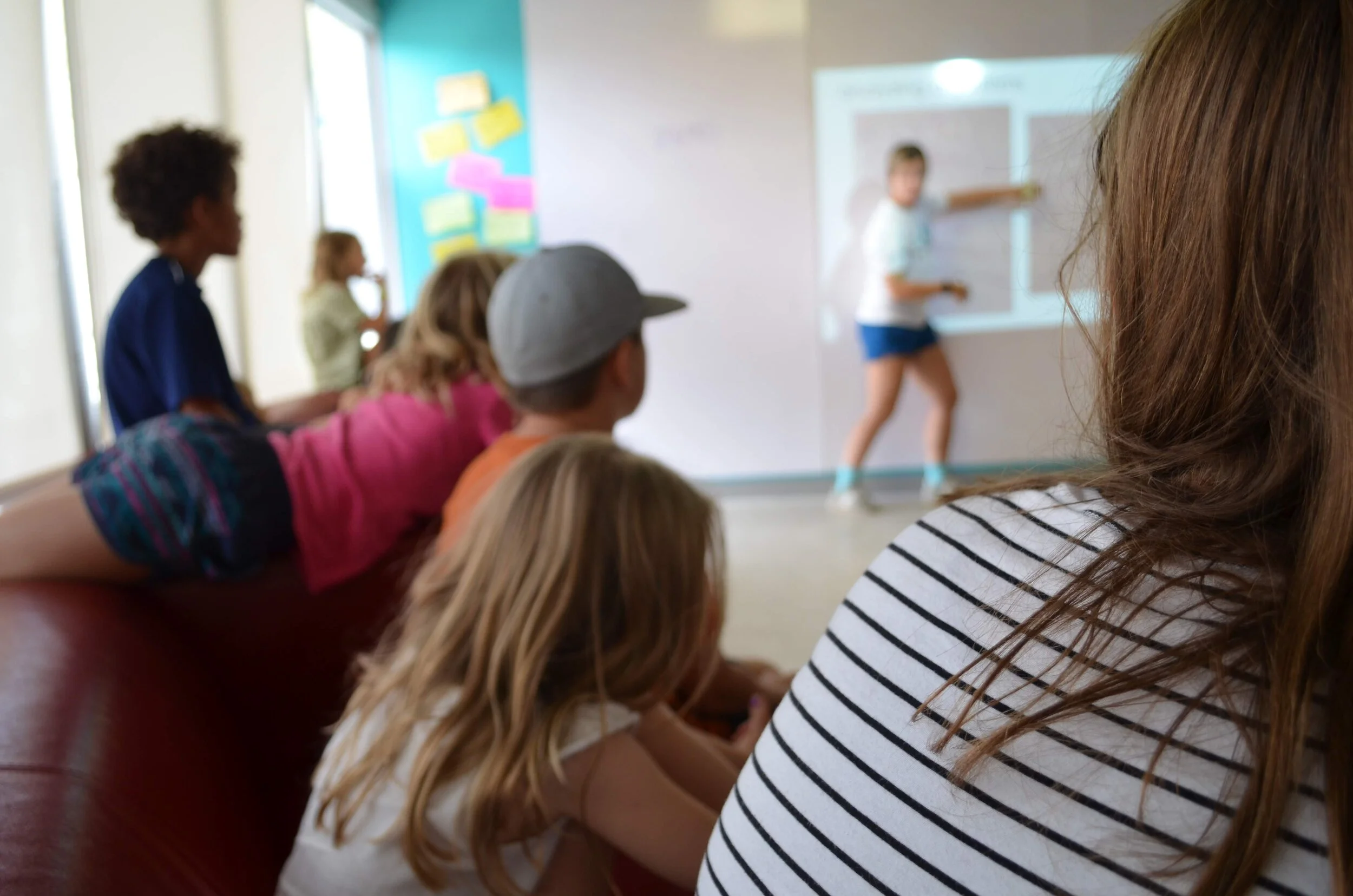
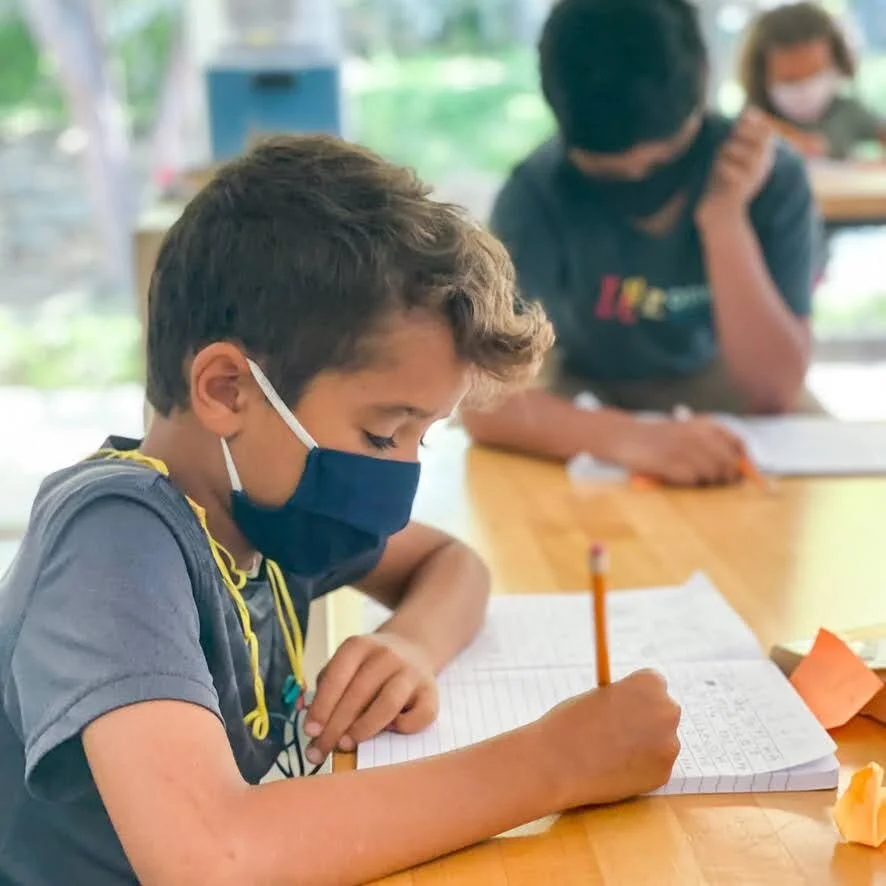
Currently our teaching team is in the midst of one of the most reflective, collaborative, and important processes we undertake throughout the year: we are writing our learners’ “Artifact Portfolios.” We don’t give grades. We don’t issue a simple report card every six weeks. We don’t simply provide parents with general comments on their child’s progress. Instead, twice a year our teaching team works together to craft a lengthy narrative report on each child, which is captured in a portfolio-style layout that is positioned around “artifacts” of the child’s work. Artifacts are captured throughout the semester and take the form of photos, screenshots, excerpts of writing, short videos, and transcripts and most of the time are captured through the regular, every day work cycle, and not necessarily just through more high-stakes assessments or on-demand activities.

Remaining true to our learner-centered identity, the goal of the Artifact Portfolio is to report on the hard work of learning….

Read More
The Long-View Math Block

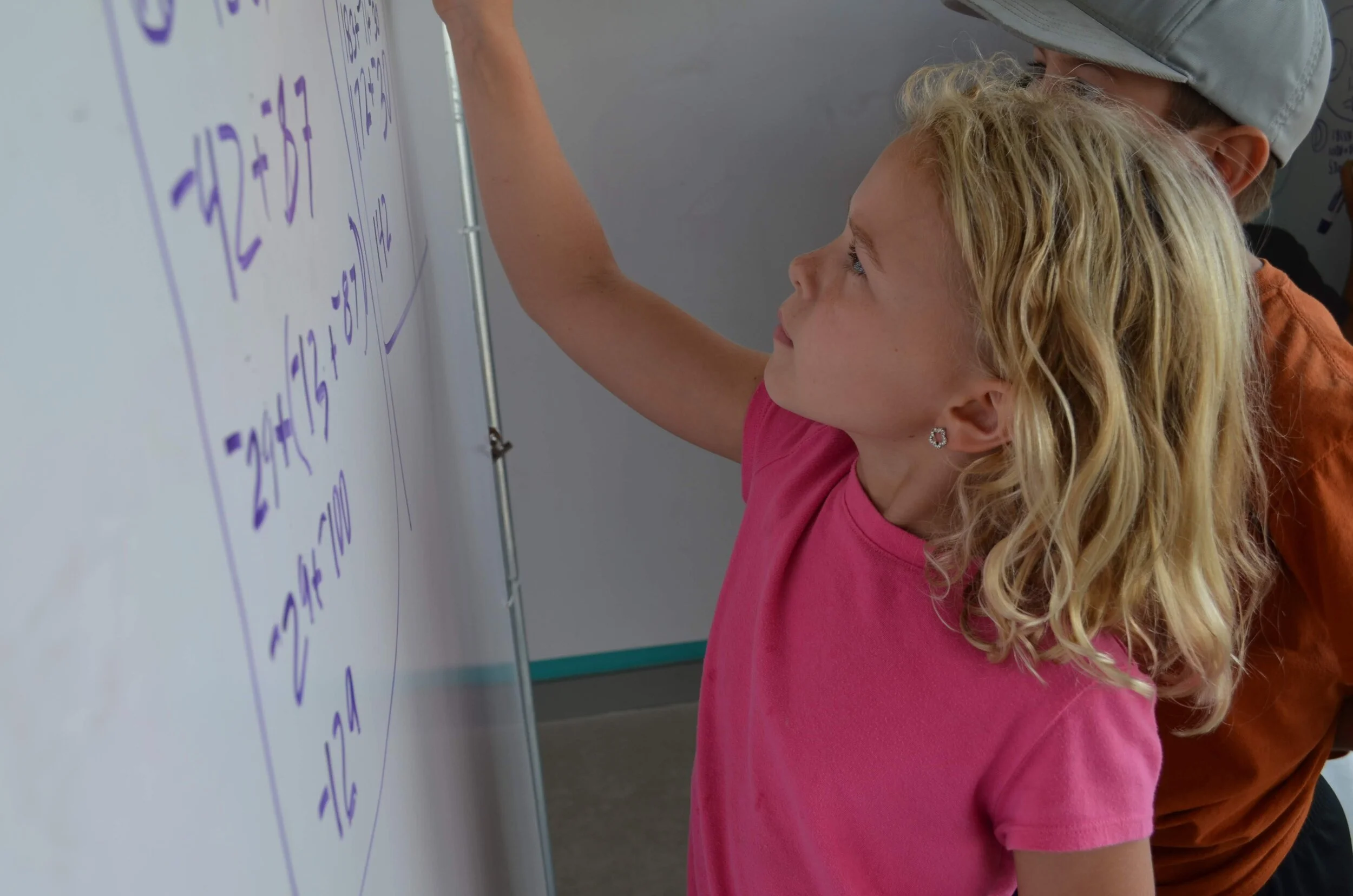
Our Math Block is more of an experience than a class. It is rich and multi-dimensional. There are multiple goals at any one time, and the content isn’t explored in a strict linear trajectory. To us, the traditional math class pattern seems to be more about filling time and covering content than providing an experience that will transform thinking. In contrast, we think of the development of mathematics knowledge as multiple threads that must be braided together over time to create strong and lasting understanding. We pull on threads related to multiple concepts and ways of thinking, then bind them together. We aim for deep conceptual understanding, bearing in mind that the way learners understand an idea can have major implications for how, or whether, they understand other ideas. Thus, we are very purposeful in the way we build concepts, and we also work to emphasize the conceptual continuities among different number forms…

Read More
"What Texts Were Taught in This Course?": What, How, and Why Middle-Schoolers Read at Long-View

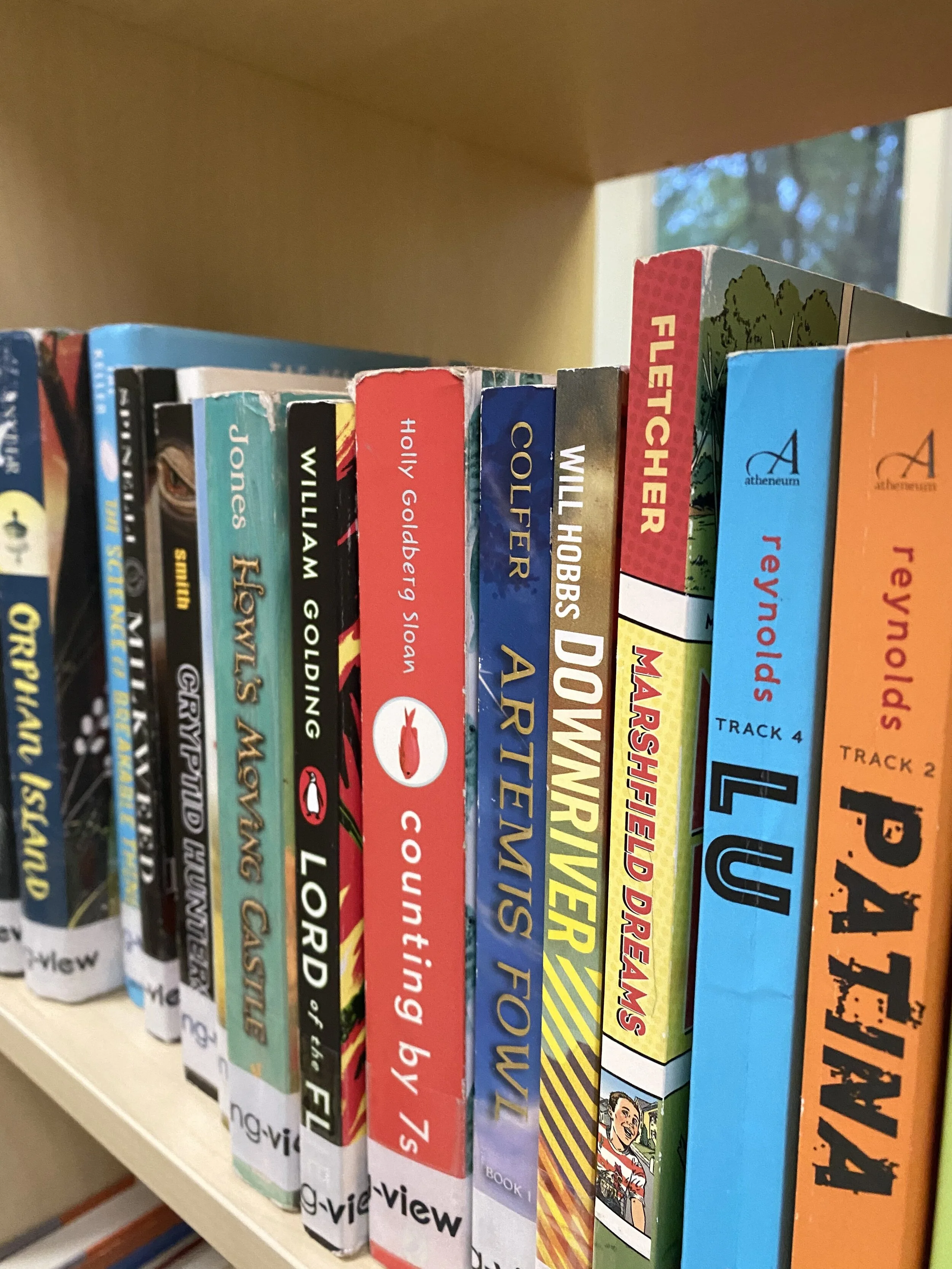
Traditional curricula often place high value on awareness of and exposure to the classics. But even apart from the problems with the "canon" itself—most of all, the way it has always left out so many voices and perspectives—we see the goal differently at Long-View. In Mathematics and Science, "covering" new material is only the byproduct of classroom experiences in which children learn to think and investigate like a mathematician or scientist. Similarly, in Literacy, we view fictional texts less as the content in and of themselves and more as the vehicle for accessing learner-centered experiences which develop the particular skills and habits of mind that constitute the content. These include….

Read More
LiteracyLisa Zapalac
The Uniqueness of the Long-View Experience: An Introduction to Unit Updates

At Long-View, we recognize that the information learners explore in various content areas is not the end, but rather a means to an end. The content explored, then, serves primarily as a way of refining or honing important learning skills. Thus, our goal is to ensure that learners are able to access content at the highest possible levels by allowing them to have experiences that are as authentic as possible to the various disciplines. For example, wanting our learners to grow as writers, our learners immerse themselves in a specific genre, thoroughly examine the approaches of professional writers, and are provided the space and guidance to apply these approaches in their own writing. Long-View learners write, receive feedback on their writing, and iterate their works; they simply write, in many of the ways that professionals do, in order to become better writers. And in facilitating these authentic experiences, learners continue to refine the skills of critical analysis, communication, & collaboration, as well as the ability to devise new ideas or design novel works based on understandings they have acquired….

Read More
The Silver Lining

This unique school year no doubt has brought a number of opportunities and challenges. We find ourselves longing for a sense of normalcy, eager to return to the rhythm of daily in-person learning. We’d happily throw our computers in a dumpster and not use them for months! At the same time, we are optimistically looking for the silver lining in our current situation. The first four weeks of school have shed some light on the benefits of living through the hybrid and virtual learning that is our current reality.

Above all else, kids and teachers agree that this year is a good exercise in communication….

Read More
Let’s Go! It’s Time To Get Back To Learning

School is back in session, and here at Long-View we have more than happily settled back into our learning routines. After a summer filled with research on health guidelines, the innovations schools across the world are implementing, and the complexities of both remote learning and in-person learning, we are relieved to have found a sense of normalcy even in just the two weeks we’ve been back together….

Read More
Guest Post: Cosmo Tells Us About Being Long-View's First Student

I was the first student at Long-View Micro School. Now that I am finishing 8th grade and going off to high school, I have been looking back on my time at Long-View and what these 5 years have meant to me. I have grown so much academically and just as a person. I have learned how to be a problem-solver, and how to push myself to solve a challenge even if I don't have prior experience on that topic. For example, I might push myself in math to solve a problem the teacher didn’t tell me how to solve. I also learned how to manage time and multitask better. As a person, I have learned to be myself, and not care about what other people say….

Read More
Guest Post: Updates From The Long-View Gazette

You may have read about The Long-View Gazette on our blog in February after this student run-organization published its second edition. During this unprecedented time, like many great organizations, this newspaper has adapted its work and story coverage. Read their guest blog post below to learn more about their current projects.

The Long-View Gazette is the main student-initiated, student-run newspaper for Long-View Micro School. We provide news about Long-View Micro School itself, the coronavirus, and whatever big global event that is happening at the current moment. The Gazette writers’ ages range from nine to eleven. 

Read More
Tips for Supporting Young Scientists

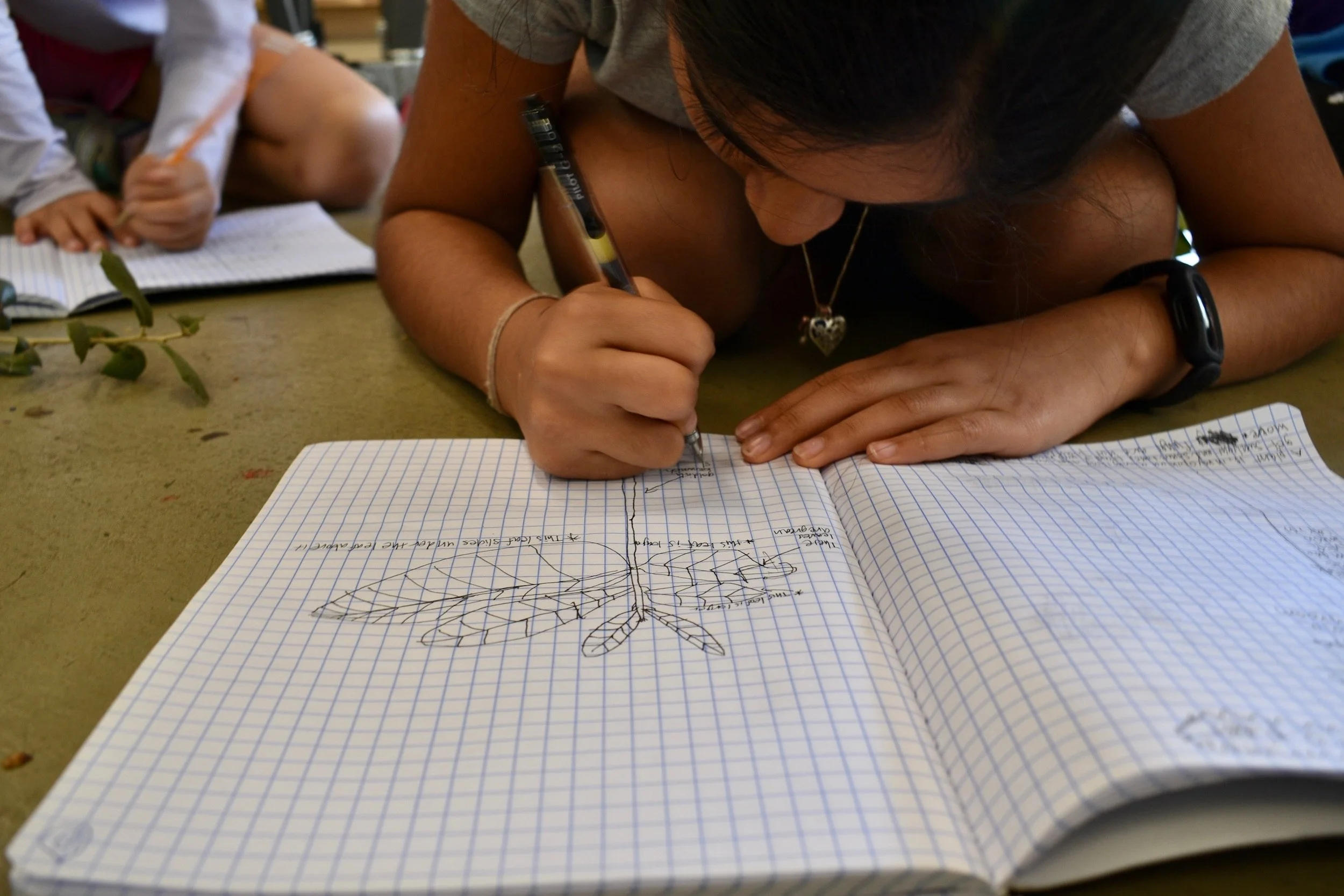
At Long-View, we don’t just seek to teach science, we strive to engage students in the learning process as scientists. From formulating testable questions with accompanying research to understanding safety protocols, learners don’t just act like scientists, they ARE scientists. Getting learners to engage in investigations of their own design, with thoughtful data collection and analysis, is the goal and we understand that these skills will develop over time. Teachers offer the opportunity to inquire about the natural world, access to high-quality learning experiences, and intentional feedback, but we seek parental support in this endeavor. Depending on your own background knowledge in science and your level of interest, it may seem daunting to support this area of your child’s academics. Regardless, you can play an important role in your child’s development as a scientist. Below are 6 easy ways you can support your young scientist….

Read More
The Backyard Ecology Content Stream Continues to Deepen

This is now the fourth week of Long-View@Home and our three science strands are deepening their work. For Strand 1: Biogeographic Survey, Ms. Swanson gets into the distinction between nature journaling and field guides. Learners are now shifting away from nature journaling (which is how the unit started) to creating field guides that help us identify things in nature. If the kids want to keep up their nature journaling, Ms. Swanson encourages them to do so by studying The Laws Guide To Nature Drawing and Journaling (John Muir Laws). She noted that this book is more focused on the art than the science of nature journaling, but it's a really great tool for any naturalist who wants to build on this skill set….

Read More