Austin Energy Regional Science Festival
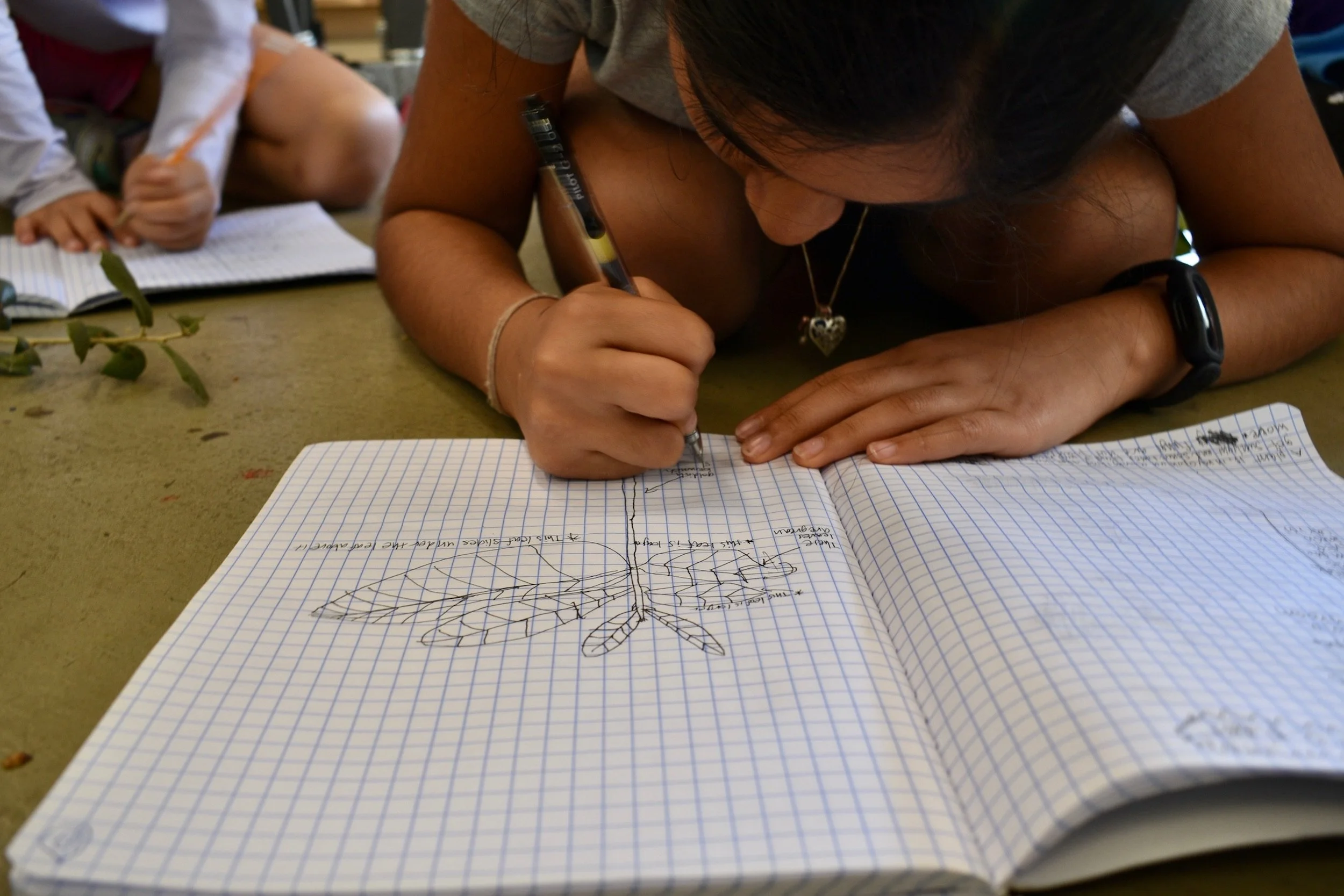
Science fairs are one of those quintessential elementary school experiences that students and parents love to complain about, and for good reason. In their worst form, parents do all the work, the artistry of the display board takes on outsized importance, and students lose track of what they are doing and why. But this bad reputation masks the underlying good bones of the idea: giving students a chance to participate fully in the process of doing science…
Read More
Ted Dintersmith, Executive Producer of Most Likely to Succeed, Visits Long-View
On February 5th, Long-View collaborated with the Thinkery and with WonderLab to bring the acclaimed edu-documentary, Most Likely to Succeed, to Austin. The two film screenings we hosted at Alamo Drafthouse were sold out as an enthusiastic group of 400 Austinites came to learn more about transformation in schools and to hear directly from the Executive Producer of the film, Ted Dintersmith….
Read More
Long-View Micro School Expands
Great news! We extended our lease at our current location and will more than double our usable space for the 2016-17 school year. Long-View is officially expanding, with a goal of being able to serve 20-24 students next year, or two cohorts of 10-12 students….
Read More
Coding a Card Game: Using Loops
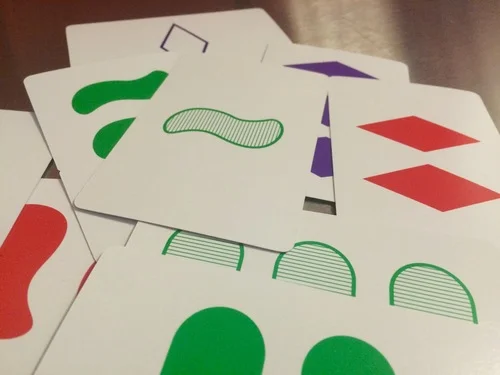
A card game we played together recently inspired a new project we are working on during Computer Science/Coding. After breaking down the game and getting to the core of the rules and how the game flowed, we moved to writing pseudocode together. Then, a demonstration lead by Mrs. Lai involving articulating the steps of making a peanut butter and jelly sandwich helped us refine our understanding of the importance of not assuming anything while writing a program. We learned that writing our code out in a very clear and incremental fashion is necessary . . . when we didn’t have the steps of making a peanut butter and jelly sandwich articulated clearly enough, we almost put the peanut butter on the packaged loaf of bread! We refined our pseudocode with this new understanding and prepared to begin to code our game…
Read More
Elephant Toothpaste
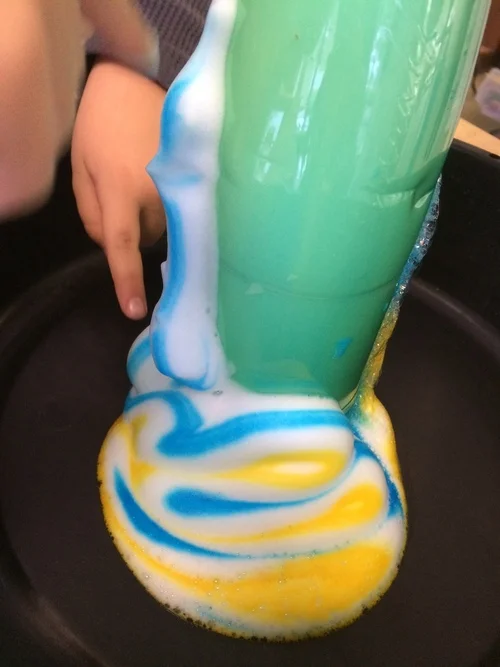
Last week we pivoted in science from a focus through a series of lessons on how engineers solve problems to deeper work on the nature of science and how scientists think and work. Mrs. Swanson took the group through a demonstration that involved catalyzing the breakdown of hydrogen peroxide. The result of the very exciting demonstration was that a huge swath of thick foam poured out of the graduated cylinder, and the timely addition of food coloring made the foam look like large toothpaste, or “Elephant Toothpaste."
Read More
Engineering Solutions: Keeping Water at Bay
Engaging in the practices of engineering helps kids understand the work of engineers, as well as the links between engineering and science.
As problems are identified and solutions are needed, often times the solution is developed through the engineering design process. Engineers, like scientists, utilize a series of practices as they design solutions to solve meaningful problems…
Read More
Building Confidence at Long-View
Is your child exuding confidence as a learner in a way that he or she had not experienced in previous educational experiences? At Long-View, the academics are different, but so are the ways we facilitate learning. Independence and confidence are always on the horizon, and how we teach constantly stretches young children to become more independent and more confident.
Read More
Don't Even TRY To Keep Up With Us in Math!
During the approximately 5 1/2 hours we spend over three days working on math, we cover some serious ground. Your kids amaze us every day, and we are very excited about their progress!
At the start of the year, students learned that in order to combine (or add), they must have like terms. During this past month, students have connected this knowledge to expressions in which the values that are numerated are unit fractions…
Read More
Claim-Evidence-Reasoning in Science
This week in Science we moved into looking at natural hazards, and everyone is excited to share what they know about earthquakes, volcanoes, hurricanes, etc and all the damage they inflict. Over the next weeks we will definitely increase our knowledge about how these geologic threats significantly alter human populations, activities, buildings, and land and we will explore the fact that humans cannot eliminate natural hazards but can take steps to reduce their impact…
Read More
Dr. Lai Visits our Coding Lab
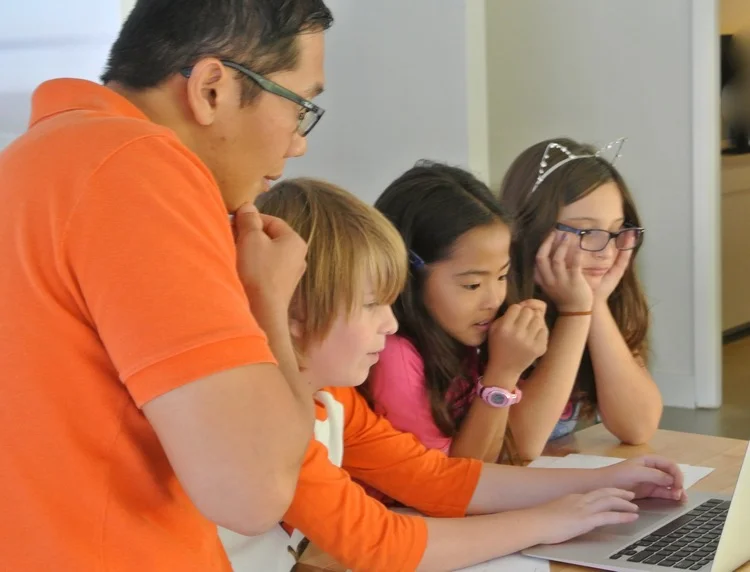
Dr. Mark Lai visited our Coding Lab this week and offered up support, encouragement, and tips to the children about how computer scientists think and work.
Dr. Lai is a postdoctoral fellow at UT's Institute for Computational Engineering and Sciences and holds a PhD in Applied Mathematics (i.e. he is a fascinating guy and a great mathematician-role-model)…
Read More