Posts in science
Science Fair: An Opportunity To Initiate Independent Investigations

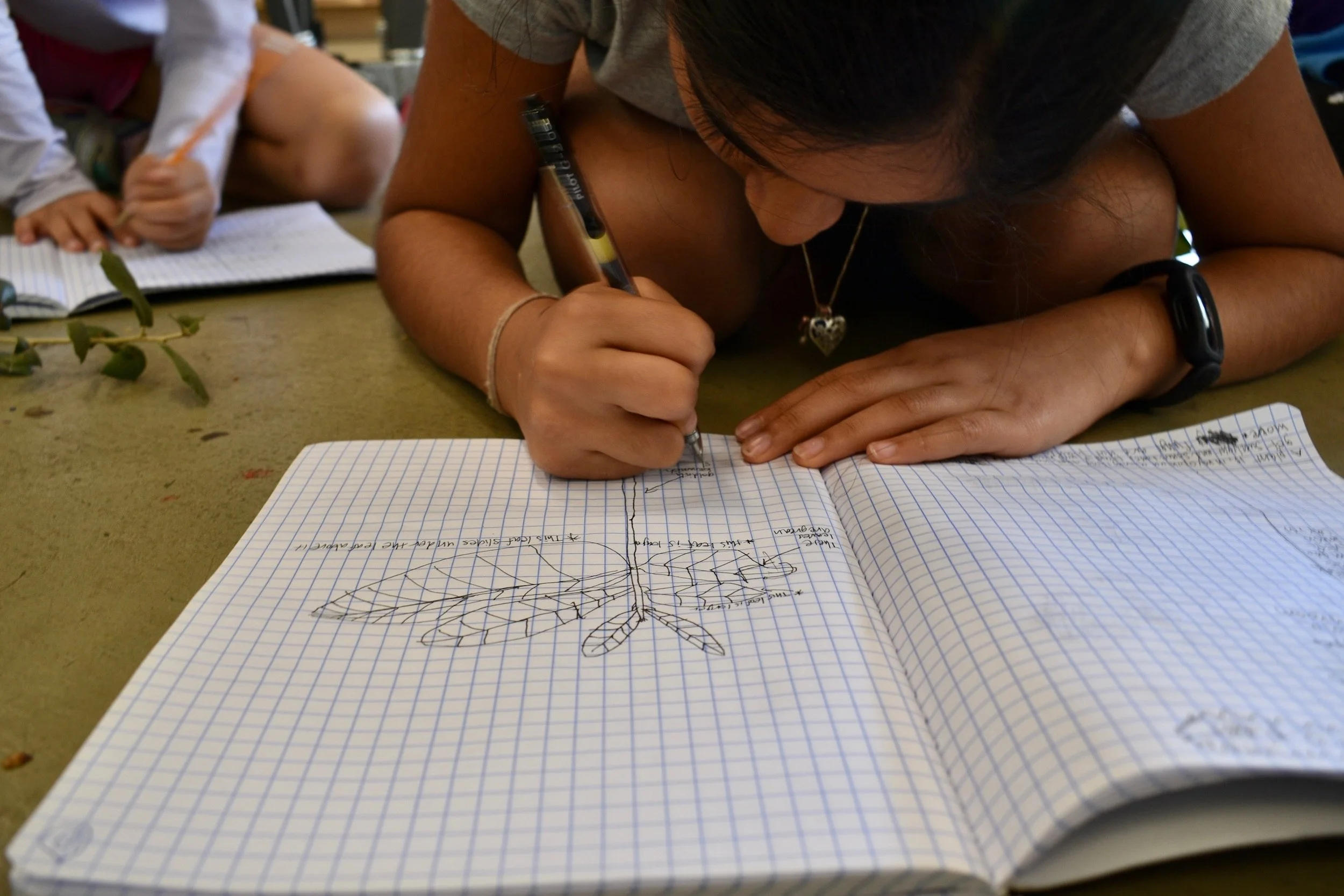
Science Fair is an opportunity for students throughout the country to independently conduct a science experiment and compete with other students in schools across Texas, or even across the US. Elementary, middle and high schools guide their Science Fair participants through the self-driven process of completing a scientific experiment and giving an account of their project to a panel of judges. 

Science Fair participants can work alone, developing their independence and agency, or in a group, working together as communicators and collaborators. Either way, the process is student-led, encouraging the students to take initiative, find personal learning systems and habits, and overall drive themselves towards learning science….

Read More
Biomimicry in Science Block

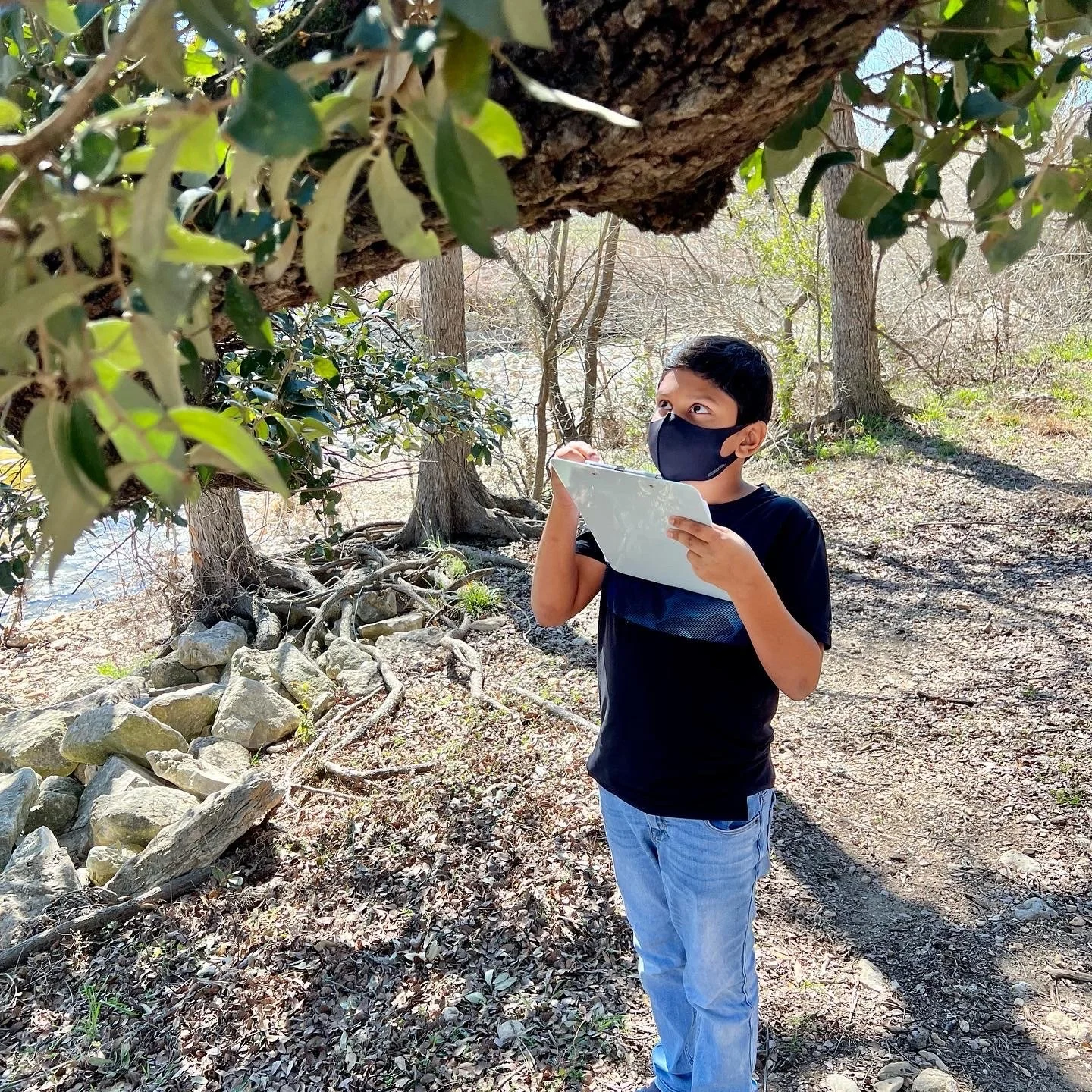
Close observation of the natural world is a long-running thread at Long-View. We cultivate this habit in Campfires about plants, animals, and other natural phenomena; in the field notes and experiments from biology-focused science blocks; in nature writing units and small moment stories set outside; and of course, in our daily walks to Pease Park, where we watch birds, splash around to get a closer look at the turtles and other denizens of Shoal Creek, and relax in the shade of majestic live oaks. 

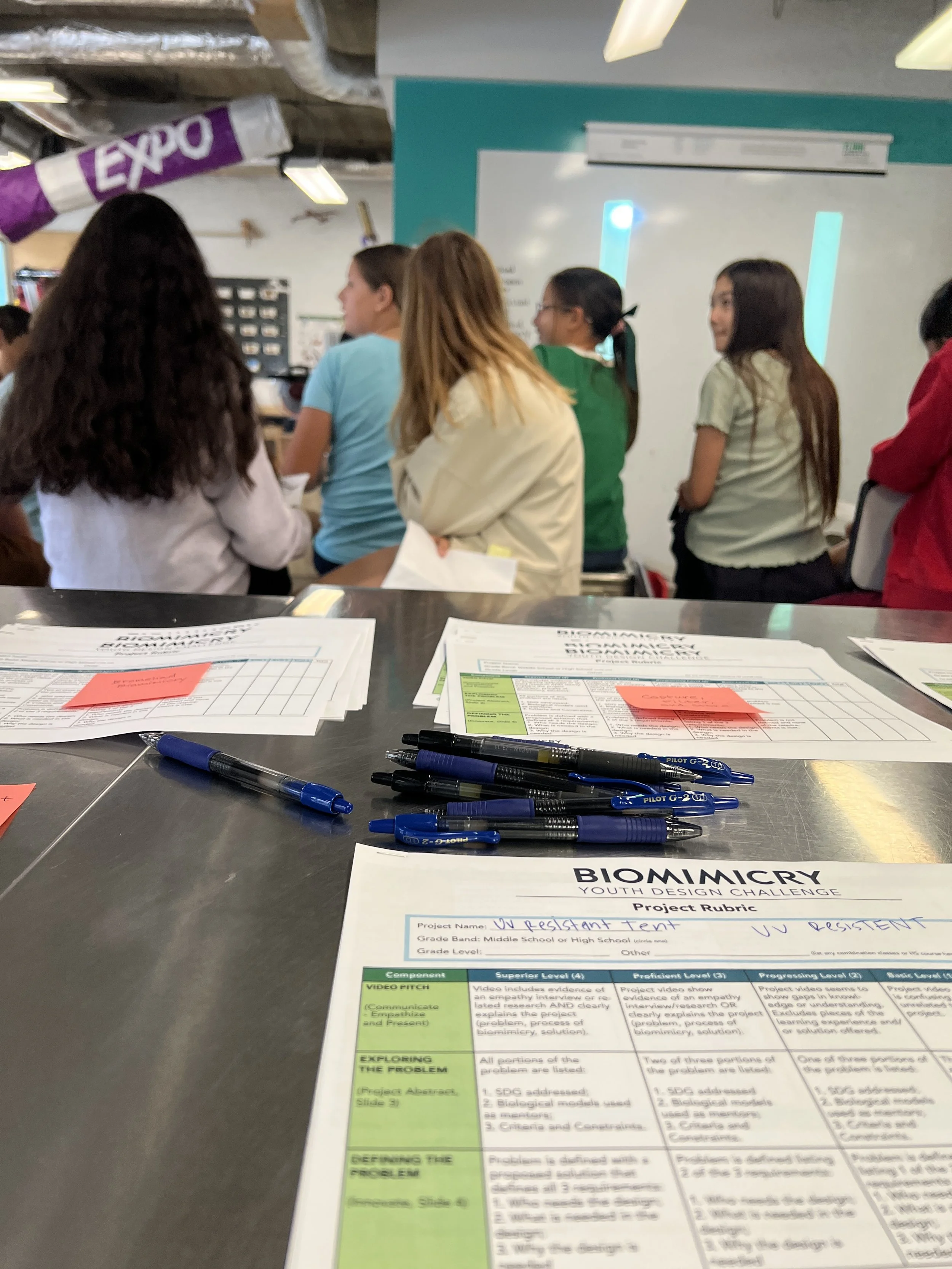
This spring, learners in Mint and Persimmon Bands are putting these observational skills to work in a unit focused on biomimicry, with a challenge to design something for the human world that is inspired by the functions of other living things. 

At the beginning of the unit, small groups collaboratively investigated the causes and effects of a UN Sustainable Development Goal that they felt passionate about. Groups decided on aspirational goals, criteria, and constraints for a potential design solution to the problem of their choosing. Next, they explored how nature has solved similar problems by matching the function of their design to organisms that have similar abilities….

Read More
Long-View Student Wins 1st in the Nation for Mathematics and Wins Team Award for Collaboration at the Science Fair

Yesterday, Thermo Fisher Scientific and Society for Science announced the winners of the Thermo Fisher Scientific Junior Innovators Challenge (Thermo Fisher JIC), the nation’s leading middle school science, technology, engineering and math (STEM) competition.

Tobias (Toby) Lam, representing Long-View Micro School, won the First Place Mathematics Award, as well as the Team Award!

Toby demonstrated exceptional skill and promise in mathematics as evidenced in his project, titled “The Effect of Nintendo’s NES Tetris Theme Music and 28 Hertz High Beta-Frequency Binaural Beats on a 233 Hertz Carrier on Attention Span,” and was awarded First Place in Mathematics. Listen to Toby describe his project here

Furthermore, Toby’s Finals Week challenge team won the Team Award because they best demonstrated an ability to work together and solve problems through shared decision making, communication and scientific and engineering collaboration.

Exceptional math skills and strong collaboration skills sound exactly like what we are teaching at Long-View Micro School!

Read More
Unit Zero: What Do Scientists Do? 

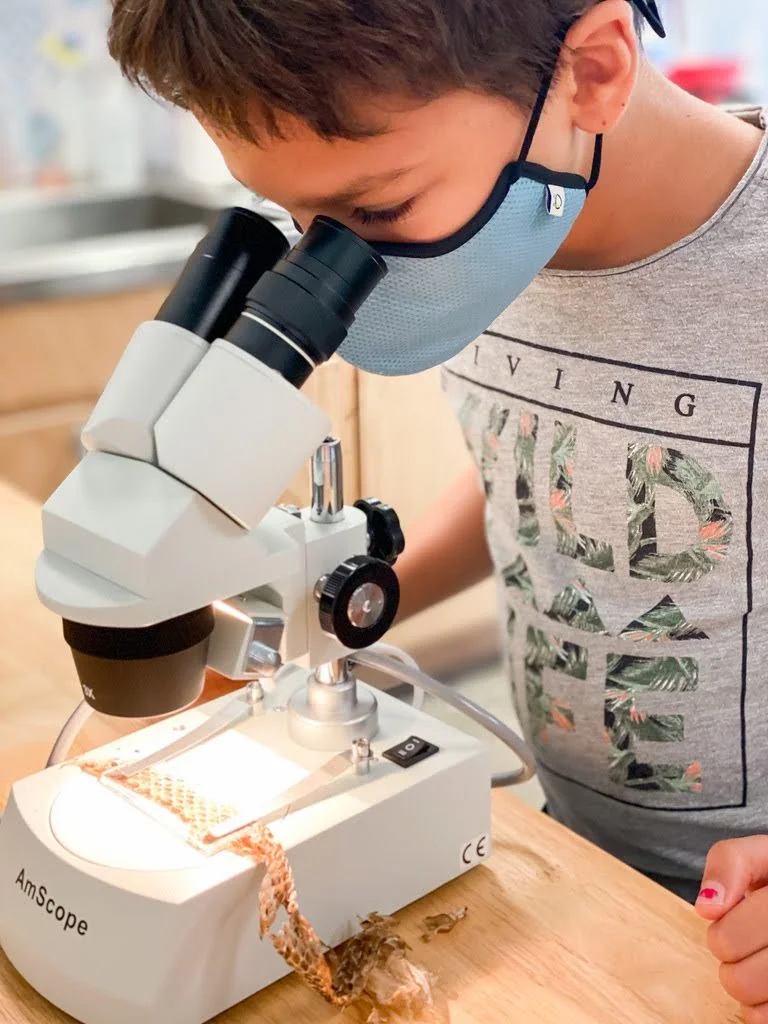
One day in September, a perplexing set of objects awaited Violet and Aqua Band learners in Science Block. Simply described, they were cardboard tubes with the ends blocked off by duct tape, and with four strings protruding from small holes in the sides. When learners pulled the four strings, however, surprises ensued. The four strings didn’t react as one might have expected. Inside the tubes, where no one could see it, a mysterious mechanism governed the action of the strings. What was it?

Over the next week or two, the learners investigated, working in small collaborative groups. They turned the tubes over and around….

Read More
Awakening to Climate Change: A School-Wide Inquiry

She looked straight into my eyes and said, “Mr. Cooley, imagine if you heard people talking about climate change all the time – from adults, TV, etc. – but didn’t know what it was. How would you feel?”

Annelise, a learner in Emerald Band, spoke these words to her science teacher in March as they discussed her favorite moment of the year in a reflective interview. She continued, “I remember the moment when I “got” climate change. Before that I had realized that something was wrong, and heard about it on TV and radio, but didn’t understand it. I kind of felt left out of the conversation but now I actually figured out what it really means.” Annelise’s reflection speaks to the intense experience of growing up in a time when climate anxiety is omnipresent and talk of this complex situation is constant….

Read More
From Concept to Process: Teaching the Nature of Science 

How do you prevent misunderstandings at a school like Long-View, where learning is student-directed? Under what circumstances does a teacher provide the "right answer," especially in the science classroom? Moreover, what constitutes scientific consensus? According to who? What does it mean to be "right"? Concern about the right answer belies a common misconception about science education—a misconception resulting from faulty science education—premised on the understanding of science as a body of settled knowledge.

Recent developments in science education reflect a shift in emphasis from science as a body of knowledge to a broader view of science that addresses the nature of scientific knowledge itself and the skills required to access and evaluate media accounts of science. In short, the goals of science education have shifted from scientific knowledge to science literacy—the scope of practice in the field of science has broadened from "how the scientific community produces science information, [to] how media repackage and share the information, and how individuals encounter and form opinions on this information….”

Read More
Engineering Project: Rocket Launch

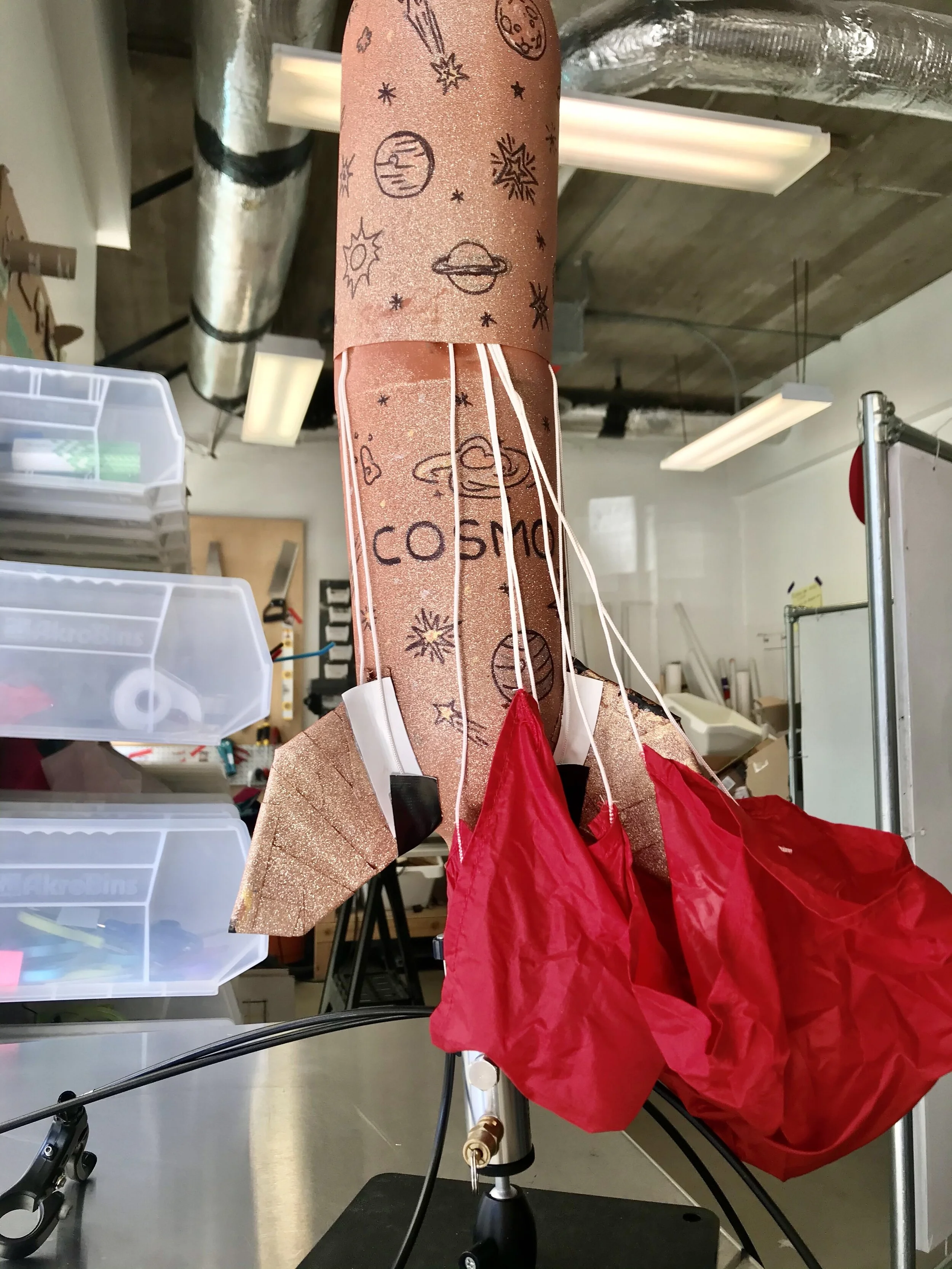
We use Pease Park daily and last week, the park's value reached new heights! Blue and Purple Bands tested learner-designed-and-built rockets, shooting the vessels high above Live Oak Meadow.

The rocket science unit began in January with both virtual Science Blocks and weekly in-person build workshops. During these build workshops the kids spread out in our parking lot, which served as our temporary, very-well-ventilated makerspace...or should we say, “The Long-View Jet Propulsion Research Facility”? The learners were studying astronomy and for their engineering project associated with this unit they learned about the physics of rockets….

Read More
Field Experience: Environmental Science

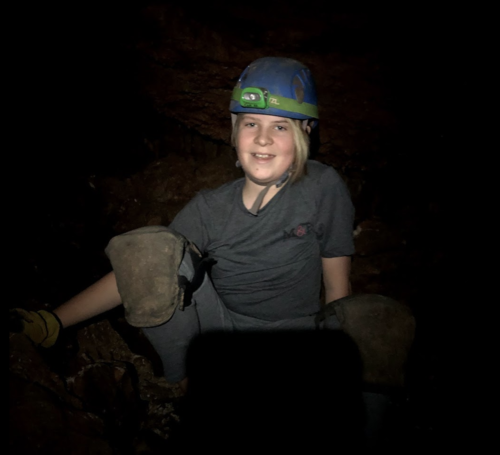
To kick off their environmental science unit, Teal and Indigo Bands headed out this morning for a half day excursion to Whirlpool Cave through Austin Watershed Protection. They climbed deep into the Edward’s Aquifer via caves to explore Austin's unique Karst topography and learn more about our city’s watershed. This experience will be helpful as they later move into a project focused on water quality in which the learners will develop their own water filtration systems.….

Read More
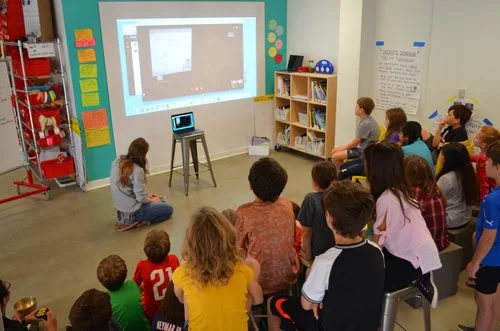
Skype Interview with NOAA Climate Scientist

Expanding students’ perspectives of the world around them through exposure to thought-provoking topics and thinking critically about them, learning from authentic sources, and interviewing professionals experienced in their field is the norm at Long-View.  

Last week, Navy and Auburn Bands tapped into National Oceanic and Atmospheric Administration (NOAA) Climate Scientist Andrew Kren’s expertise in the area of remote sensing data as it relates to weather research. Dr. Kren’s work focuses on…

Read More
All Hands on Deck: Biomechanics Engineering Challenge in Indigo Band

Problem solving is an integral part of the learning experience at Long-View, and Indigo Band learners are working on the unique, not to mention complex, endeavor of constructing a prosthetic hand that can handle (pun intended) the task of grasping and lifting a cup of sand with a weight of at least 200 grams.  “One of the biggest challenges is that we have to design it using materials either from the Maker Space or from home,” says Esme. “Marin’s prototype is really impressive,” she adds. “She’s even thinking about connecting a motor to it!”

Read More